
Yoga Pants Packs: Keep Style Variants Separate
Keep yoga pants variants separate by giving each selected style, colour and size combination its own packing reference. Match that reference across the garment record, bag label and carton schedule, then review a real packed example. Similar black fabrics or shared waist descriptions do not make flared, straight-leg and fitted designs interchangeable at receiving.
A warehouse can receive the correct overall number of pants and still spend time untangling mixed variants. The distinction may be a lower-leg shape, side panel or waistband detail that is hidden after folding. For wholesale yoga pants and leggings, packing approval should therefore answer a practical question: can the receiving team identify each selected variant without relying on memory or opening every garment?
Start from the approved style reference
Assign the packing reference only after the selected product and variant are clear. Keep style ID, chosen colour and size as separate fields, even when a commercial system combines them into one stock code. This allows a label error to be traced to a specific field rather than corrected through an unexplained replacement code.
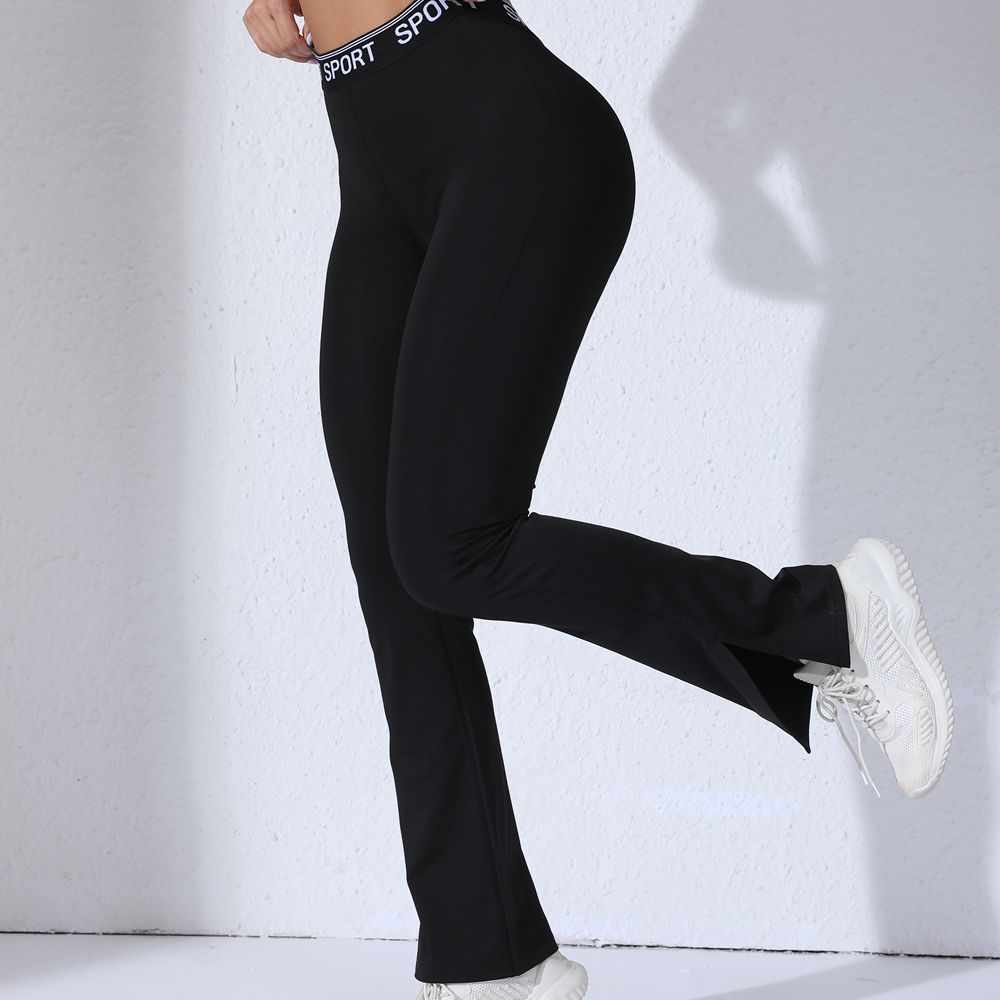
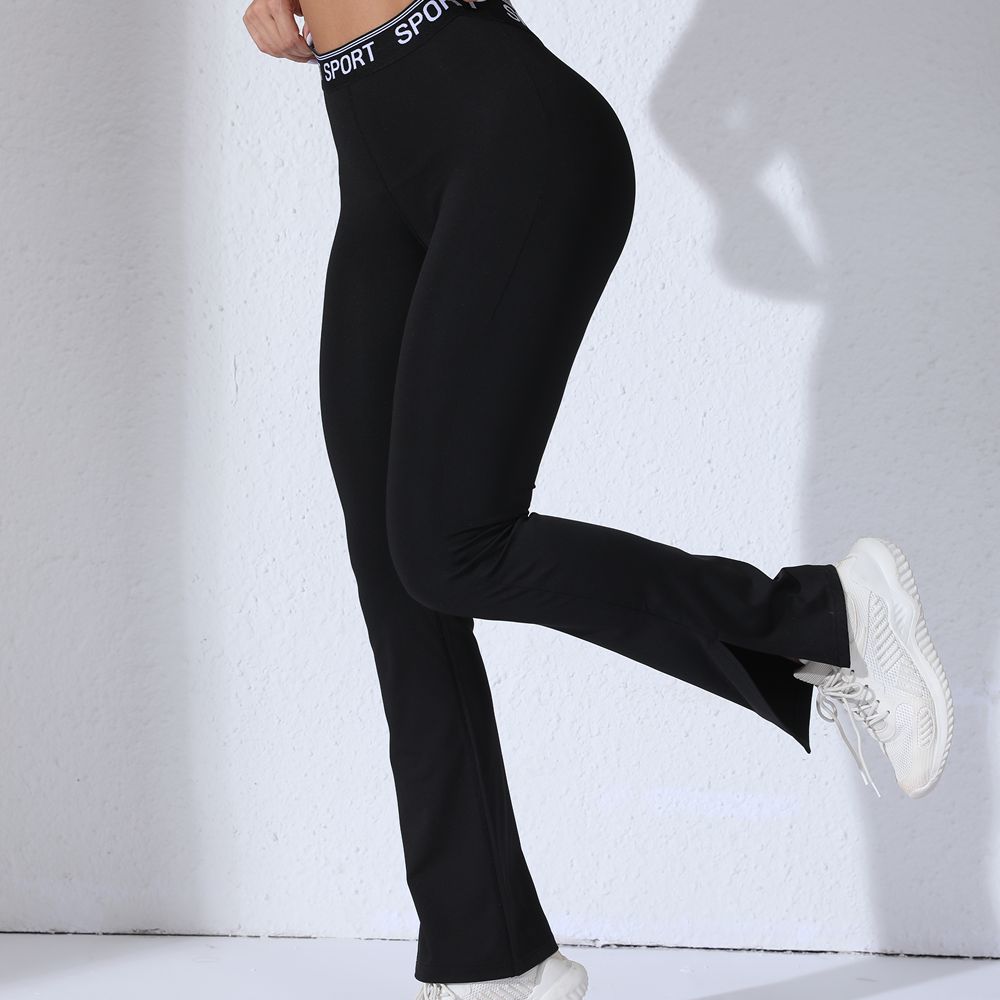
The flared leggings #248-1 show a visible SPORT waistband marking in the source image. Record whether that exact visible detail belongs in the requested variant and obtain confirmation. A packing instruction should preserve an agreed garment identity; it should not silently alter a marking or imply an unrelated brand relationship.
- Use one approved reference per selected variant.
- Map buyer codes to supplier style IDs.
- Check the label against an opened packing sample.
Build a label hierarchy that survives folding
Ask how the selected style reference will remain readable after the garment is folded and bagged. Keep the proposed label position and text with a sample photograph. If the order uses a buyer stock code, maintain a mapping to the supplier style reference so both teams can reconcile the same unit without renaming it during packing.
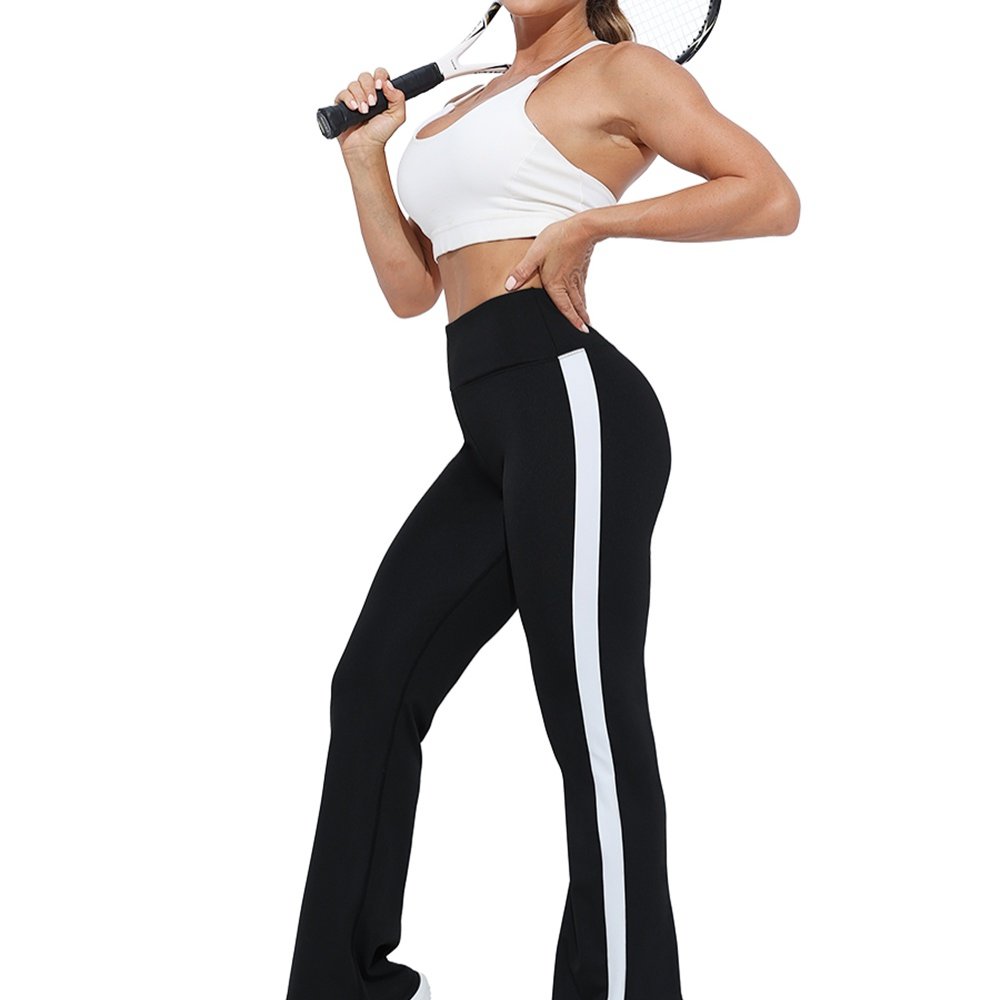
Use straight-leg pants #W918 as a separate packing line from the flared reference. Their visible side detail may help during a physical review, but the written label should carry the identity. Do not rely on the fold exposing a stripe, pocket or hem on every packed unit.
| Packing layer | Required identity | Review question |
|---|---|---|
| Garment record | Style, colour, size | Is this the approved variant? |
| Retail pack | Mapped packing reference | Does the label match the unit? |
| Carton schedule | Variant counts and assortment | Can each count be reconciled? |
| Exception record | Changed code or pack rule | Has the change been accepted? |
Separate assortment rules from packing quantities
Specify whether a carton should contain one selected variant or an agreed assortment. If assortments are requested, attach the exact breakdown and ask the supplier to confirm feasibility. Do not turn an illustrative catalogue size range into a fixed carton ratio. The actual quantities and packing units need written agreement for the current order.
Keep the carton schedule tied to the same style, colour and size fields used on the bag. When a carton mixes variants, list their counts rather than displaying one broad description such as black yoga pants. The receiving team should be able to compare the schedule with the units inside and identify which line needs clarification.
Review the packed example by opening it
A useful packing sample shows the outside label, the folded garment and the unfolded unit in sequence. Ask the reviewer to compare the product reference at each step, then record any mismatch before the pack is approved. This is a practical identity check, not evidence that a particular packaging method prevents damage during transport.
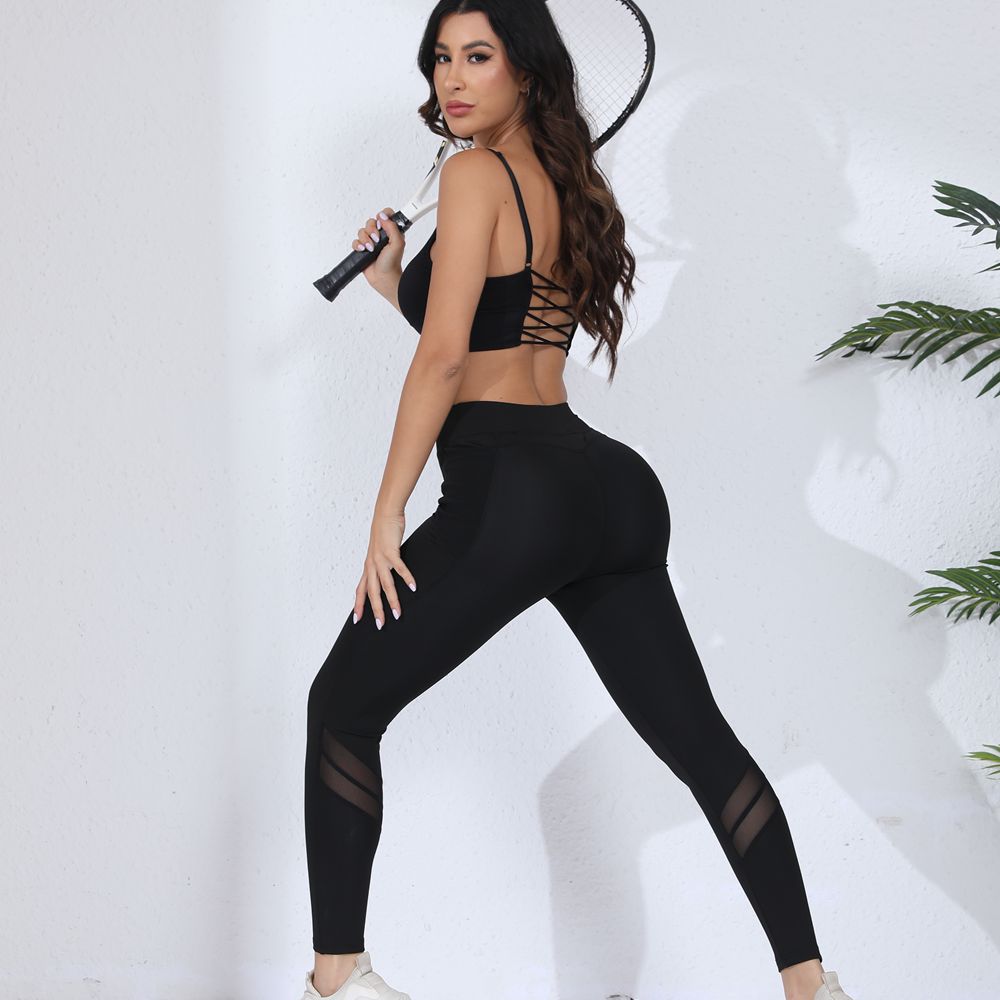
For high-waisted pants #048, include a clear view of the actual garment when preparing the example. Its catalogue photograph supports the product reference, while the sample establishes the chosen fold and label relationship. Set material, bag dimensions and any protective requirements through separate confirmation instead of assuming them from an image.
Close the counting loop before dispatch
Compare the accepted packing example with the final quantity schedule. Reconcile garment units, retail packs and shipping cartons as distinct counts. If a repack changes how many units share a bag, update the schedule and review the identifier mapping again. A correct total does not explain where a particular size or style has been packed.
Keep unresolved label text, code mapping or assortment questions visible in the order record. The leg-shape selection guide addresses the earlier product decision. Packing approval carries that chosen identity into receiving rather than reopening the silhouette choice or substituting a similar-looking garment.
Frequently Asked Questions
Is one black-pants label enough for several designs?
Use separate variant references. Colour alone cannot distinguish lower-leg shapes, side details and selected sizes.
Does the catalogue define carton ratios?
No. State the requested assortment and obtain confirmation for the current order rather than assuming a standard ratio.
What should a packing approval photograph include?
Show the outside identifier and the unfolded garment with the same reference so their relationship can be checked.
Can a packing sample prove transport protection?
No. Agree the relevant packaging requirements and evidence separately; a label reconciliation checks identity rather than shipping performance.
Send the proposed label mapping and carton schedule through Jinsheng contact. Ask for confirmation of the selected packing arrangement and retain the accepted example with the order. Other product-selection questions remain in the blog buying guides.