
Yoga Set RFQs: Count Sets and Garments Separately
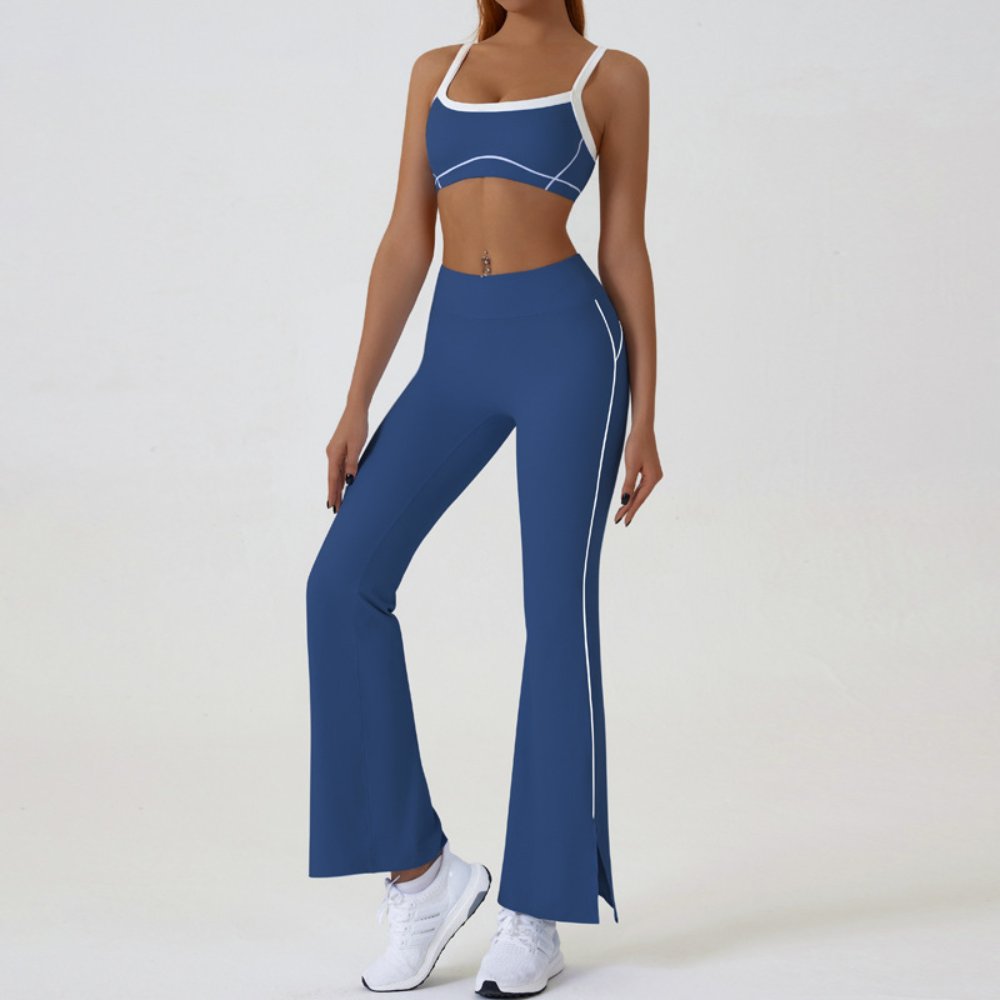
For a yoga set RFQ, state the number of complete outfits separately from the number of individual garments. Give each selected top and bottom a component reference, define how their sizes pair, and ask the supplier to confirm the quoted unit. A photograph showing an outfit does not establish every available combination or its commercial terms.
A quotation can look complete while its quantity column remains ambiguous. One team may write pieces when it means outfits, while another counts tops and bottoms separately. Buyers sourcing wholesale yoga clothing sets can avoid that mismatch by attaching a short unit schedule to the enquiry. The aim is to reconcile what purchasing requests, what the supplier prices and what receiving will eventually count.
Define the commercial unit first
Start the request with a sentence that defines one quoted set. Identify the selected top and bottom, then specify whether the quotation should cover a complete outfit or separately supplied garments. Do not treat a catalogue category called set as a substitute for this definition. The supplier should be able to reproduce the same combination from the written references.
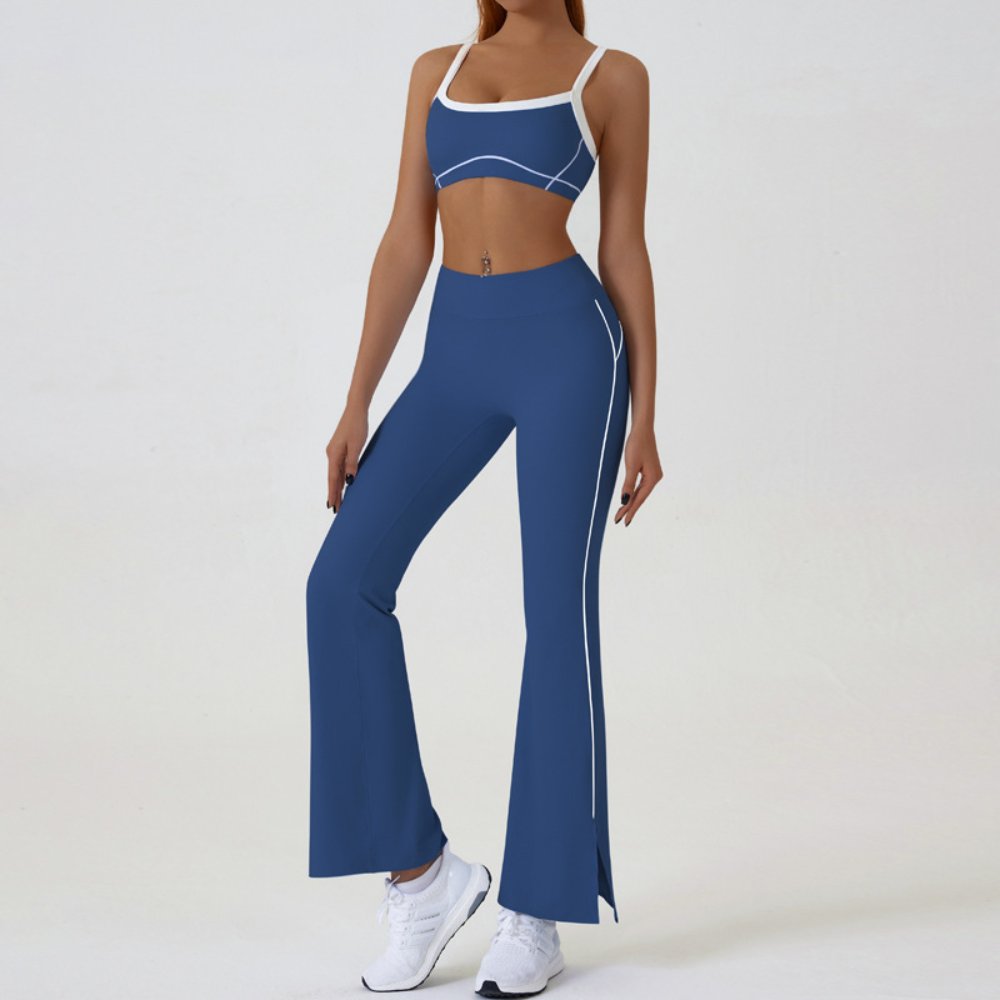
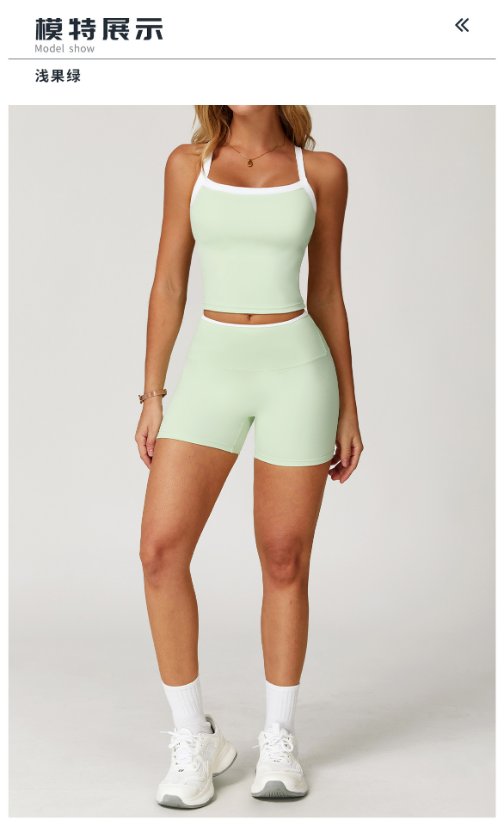
The colour-block set gallery shows an outfit with contrast edging. Use the chosen image to identify the desired combination, then ask which component options the quote includes. If the gallery contains several bottom shapes, separate them into different enquiry lines rather than asking for an unspecified mix.
- Define one complete outfit in words.
- Keep outfit and garment counts in separate columns.
- Request written confirmation of the quoted unit.
Reconcile the two quantity views
Use one schedule for outfit quantities and another for component quantities. For an outfit defined as one top plus one bottom, the requested counts of those two components should each match the outfit count. This is a counting relationship, not a statement about a supplier pack size, minimum quantity or pricing policy. Obtain those commercial answers separately.
For set #2027, identify the photographed top and selected bottom length before entering quantities. Keep any mixed-size request in its own pairing column. A top size and bottom size written in separate emails can leave the supplier uncertain about which garments belong together.
| RFQ field | Buyer entry | Supplier confirmation |
|---|---|---|
| Outfit reference | Selected top plus bottom IDs | Exact included combination |
| Quantity basis | Complete outfits and component counts | Unit used in quotation |
| Pairing | Top size with bottom size | Requested pairing available? |
| Alternative | Replacement or additional line | Differences clearly identified |
Separate alternatives from firm requirements
An RFQ may ask for alternatives without ordering all of them. Mark each line as required or optional, and state whether alternatives replace the original line or add another outfit. This prevents a response that combines quantities for several bottom variants and gives purchasing a total that cannot be compared with the original request.
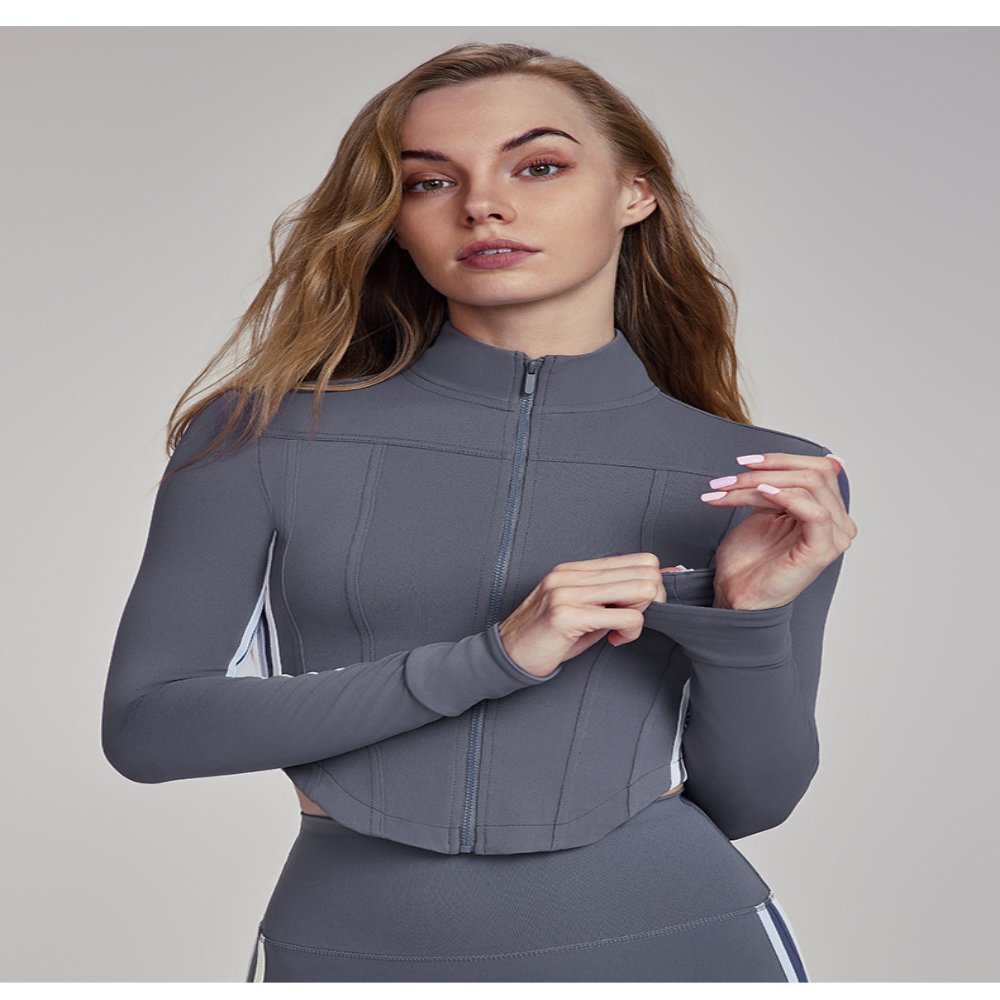
The jacket outfit #4105 is a different component combination from a shorter top and pants. Keep it on its own line with jacket and bottom references. Request confirmation of the selected closure and garment scope without assuming that accessories, styling props or every photographed item are supplied.
Make the response easy to reconcile
Give the supplier space to return the quoted unit, included component references and any proposed substitution beside each enquiry line. Ask for exceptions to be highlighted before totals are compared. A response that changes the top shape or bottom variant should remain visibly different from the requested outfit, even if the overall colour looks similar.
Keep price, currency, current availability and other commercial terms in the response fields rather than inventing values from the catalogue. Where a condition is still unanswered, retain a clear open question. The buyer can then compare like-for-like outfit definitions without treating a blank field as confirmation.
Hand the agreed schedule to receiving
After clarification, retain the final outfit schedule with the selected gallery references and component identifiers. The receiving plan should distinguish the number of complete outfits from the number of garment units. If tops and bottoms will arrive separately, agree how their references can be matched before assuming that a retail pairing can be assembled.
This RFQ schedule complements the paired sample approval guide. The earlier fitting record answers whether the selected garments work together; the quotation schedule answers which exact combination and quantities the supplier is being asked to provide. Link the two records through the same component references.
Frequently Asked Questions
Does a set photograph confirm the selling unit?
No. Define the quoted combination and ask for written confirmation. A gallery may show alternatives that are not one fixed commercial pack.
How should mixed top and bottom sizes be requested?
List each requested pairing explicitly and ask whether it can be supplied. Do not infer mixed-size availability from the photographs.
Should optional alternatives enter the main quantity total?
Keep them separate until selected. State whether each alternative replaces an existing line or adds another outfit.
What should happen if the response proposes another bottom?
Flag the substitution and compare its component reference with the original request before accepting the quotation.
Send the reconciled unit schedule through Jinsheng contact with the chosen references and open questions. Keep the final written response beside the sample record, and use the buying guide archive for the separate fit and silhouette decisions.